
Covington City Recorded Deeds
Covington City deed records live in the Alleghany Circuit Clerk's land-record system. A deed conveys an interest in land. Other instruments affect title without a sale. Liens, releases, and court records sit in the same record group. The table separates those roles from true deed types. So a property search never mistakes every result for a transfer of ownership.
| Deed Type | What It Does | Common Use |
|---|---|---|
| Warranty deed | Conveys the grantor's interest with deed warranties | Review the actual covenants in a recorded conveyance. |
| Quitclaim deed | Conveys whatever interest the grantor has | May appear in family or title-cleanup transfers. |
| Trustee or fiduciary deed | Shows a transfer by a representative | Check the authority and related estate or trust record. |
| Deed of trust | Creates a security interest in real property | Search for a later satisfaction or release. |
| Release or satisfaction | Records that an instrument was cleared or released | Match it to the original lien reference. |
A deed and a deed of trust do different work. A deed conveys the grantor's interest to a grantee. A deed of trust secures a loan instead. A release or certificate of satisfaction may clear it later. For any Covington City instrument, read the document type and date. Also check the party roles. The legal description shows what actually changed on the parcel.
Alleghany Clerk's Covington Land Books
The Clerk of the Circuit Court for Alleghany County is the recorder for Covington land instruments, even though Covington is an independent city. The clerk's land-record office is at 266 W. Main Street, Covington, and lists (540) 965-1730 with hours of 8:30 a.m. to 4:30 p.m. The court site links to the statewide SRA portal and the Virginia Deed Alert page. The courthouse address is a physical access route when an online index or image is missing.
Call before a trip if you need a specific book, a certified copy, or an older volume. The research did not locate a local copy-fee schedule or a Covington-specific digitization start year. The clerk can confirm whether a land book is at the counter, on microfilm, or in an online system. Do not assume a general case-search result includes the deed image.
The Alleghany Circuit Court page provides clerk details and links to court services. The capture is useful for locating the recorder and the deed-alert reference.
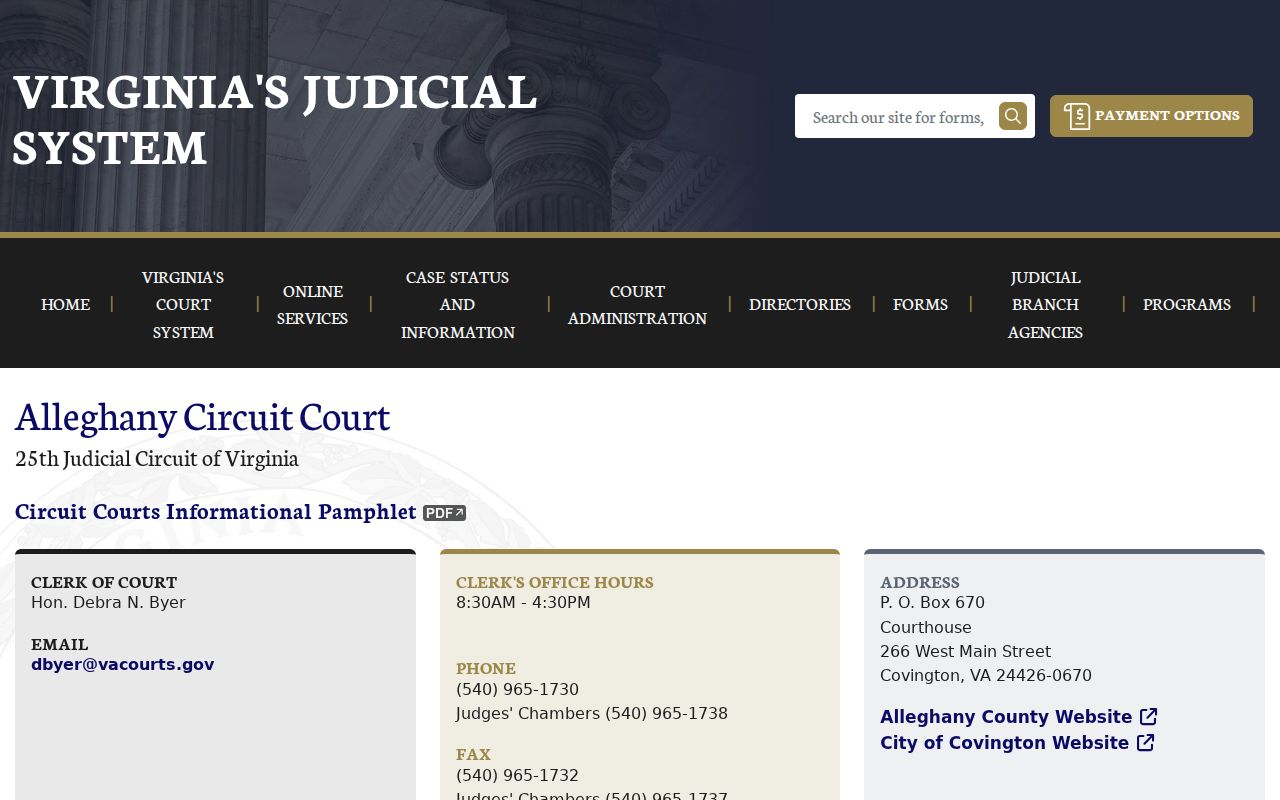
Use the clerk's contact page first. It settles access for deeds and liens. The Virginia Courts online services hub rounds up the statewide court tools, including the land-record and case-search routes.
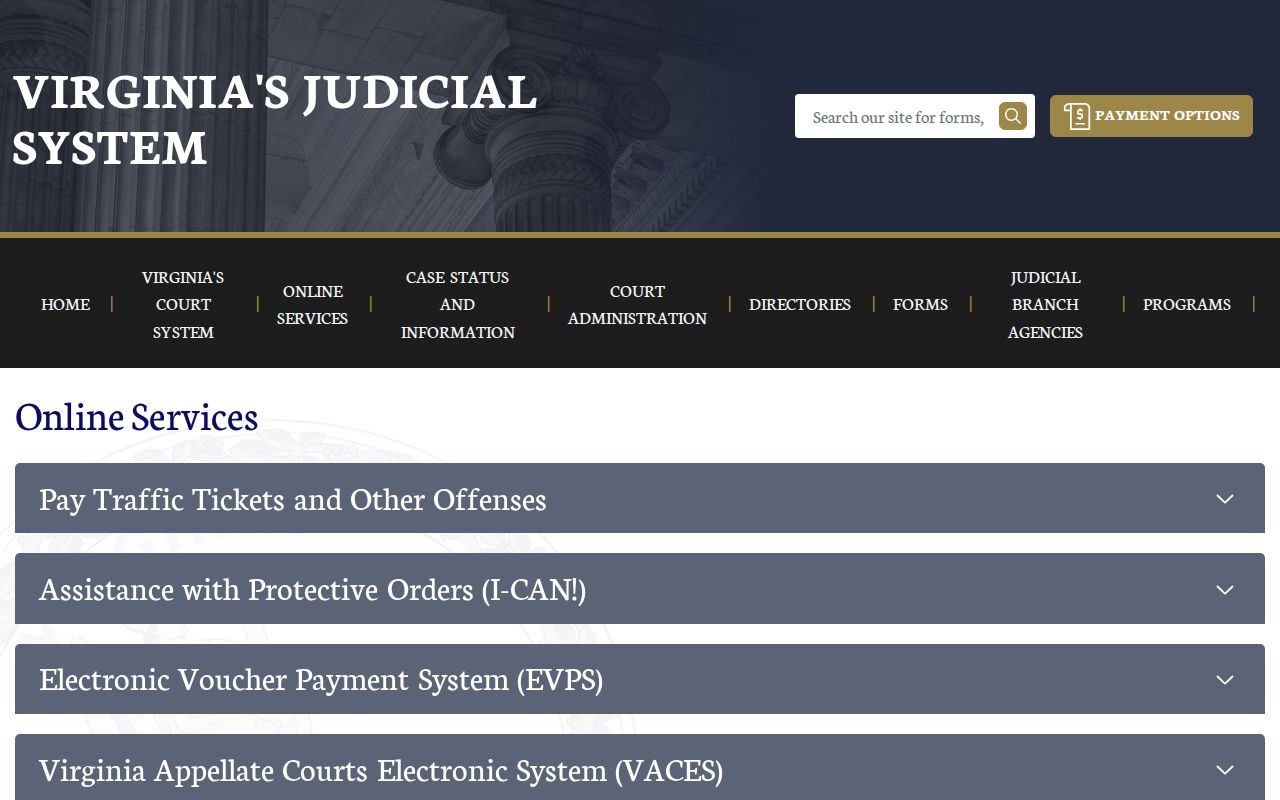
Treat the statewide menu as a starting point. The Alleghany clerk's system and access rules decide whether a particular Covington instrument image is actually available.
Virginia SRA Index and Images
Virginia Secure Remote Access splits index search from image access. A free index may exist where a clerk enables one. Images are different. They need local-clerk authorization, an agreement, and fees. The clerk publishes no Covington online index start year. So ask directly whether your date range falls inside the system. The SRA land search runs on grantors and grantees. Search the parties both ways. Record the instrument type and recording date. Also note the book and page or instrument number, and any parcel reference shown. If the result lacks an image, ask about the clerk's counter copy route. A real title search also needs releases and later instruments. The deed naming the current owner of record is only the first stop. So keep pulling the chain. The Virginia SRA access guide explains the split.
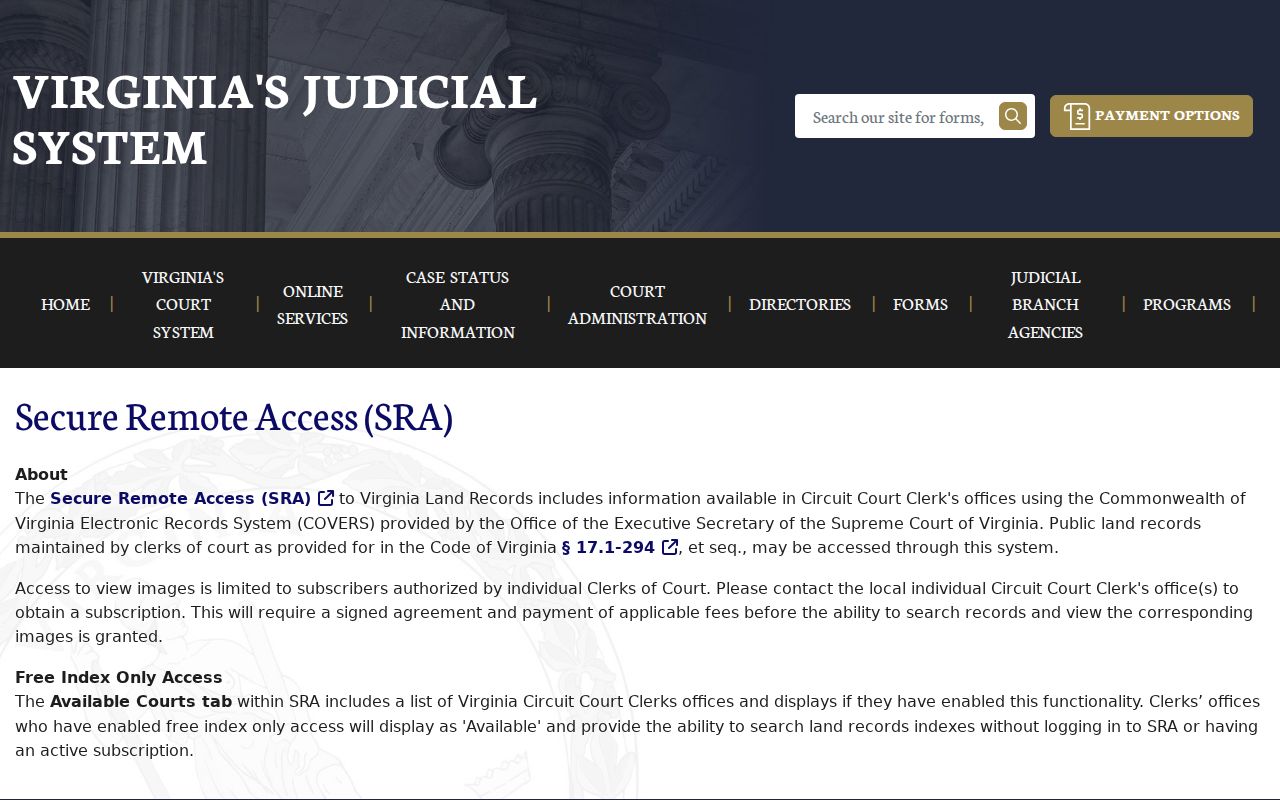
Check the local terms first. Paying for images or trusting an index-only hit without them wastes money. The Virginia SRA land-record search screen opens the grantor and grantee entry point.
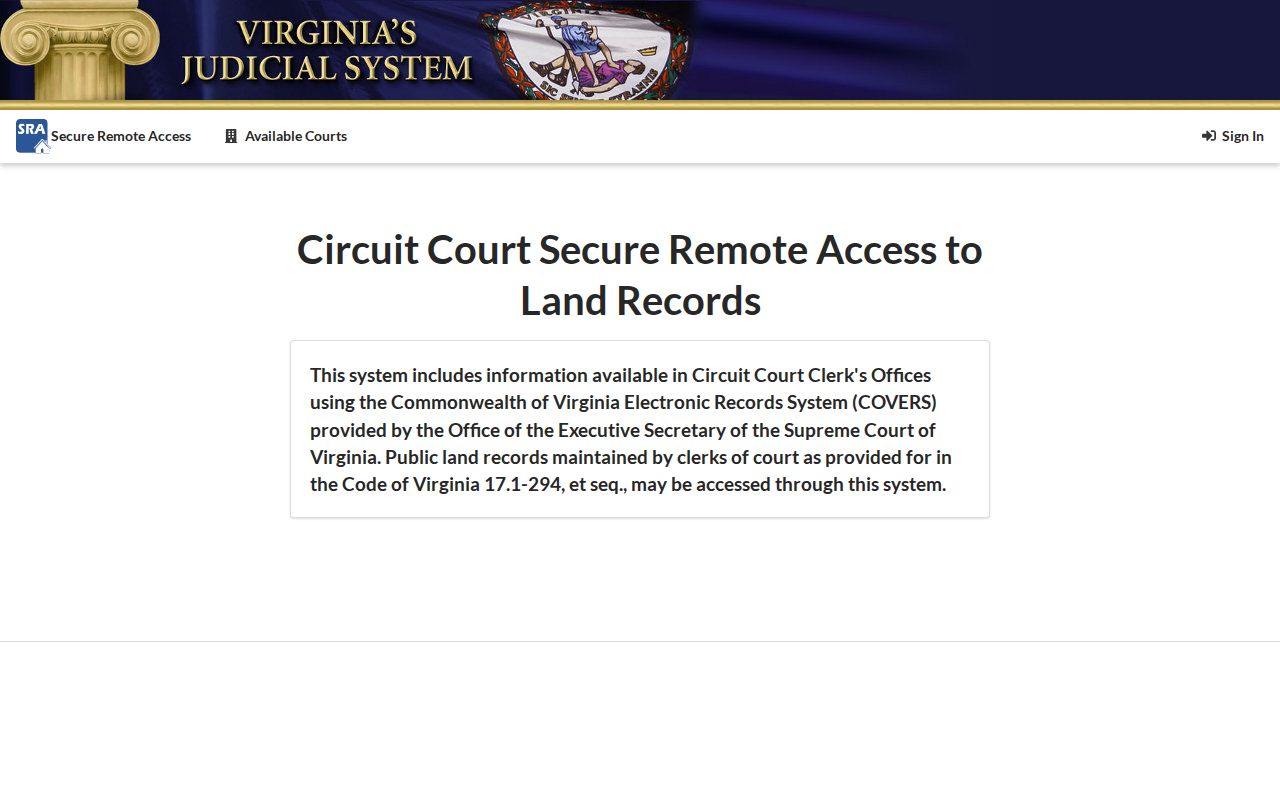
Confirm image access with the clerk after searching live.
Use Covington's Grantor-Grantee Index
Virginia's general index ties together the parties named in a recorded instrument. The grantor conveys an interest. The grantee receives it. The entry points to the instrument itself. For a Covington City chain, search the present grantee, open the acquisition deed, then carry the prior grantor backward as the next grantee, remembering that an index entry never summarizes every promise inside the document.
- Use the assessment roll to confirm the name and parcel description you are tracing.
- Search that owner as grantee and note the instrument that conveyed the parcel.
- Read the grantor and legal description, then search the grantor as a prior grantee.
- Repeat until a name, date, or legal description no longer matches, then ask the clerk about older books.
- Grantor
- The party who conveys the interest described in the instrument.
- Grantee
- The party who receives that interest.
- Chain of title
- The linked sequence of conveyances and related records for a parcel.
- Book and page
- A volume and page reference; some indexes use an instrument number instead.
Covington Deed Index Fields
Field labels on the live SRA form can vary by participating clerk. Assume nothing. Treat the list below as an inventory to record whenever each field appears, drawn from Virginia index rules and the documented portal route. No Covington sample result fixes the wording. Verify the live form before trusting that a field exists.
| Party name and role | Grantor, grantee, trustee, beneficiary, or other party named. |
|---|---|
| Instrument type | Deed, deed of trust, release, plat, judgment, or another recordable paper. |
| Recording reference | Recording date with book/page or instrument number. |
| Parcel reference | Tax-map or parcel reference if included in the index. |
| Image status | Whether a document image is available to the current user. |
Va. Code §§ 17.1-223, 17.1-249, and 17.1-252 govern recording and indexing duties, including party and parcel indexing where applicable. The statutes set no online cutoff. Older deeds may live in books, films, or archive runs. Ask the Alleghany clerk which runs cover your date.
Covington Deeds of Trust and Releases
A conveyance deed is only part of the picture in Covington. The Alleghany clerk also records deeds of trust, satisfactions and releases, judgments, and plats. The clerk also handles mechanic's liens. A deed of trust names a grantor plus a trustee or beneficiary. After a loan is paid off, check the certificate of satisfaction or reconveyance against the original reference. A recorded lien alone proves nothing about a current balance. Status review matters. Search by both party names and the legal description where the index allows it. Tax claims call for comparing the Treasurer's account with any clerk filing. For an easement or covenant, read the instrument itself. Also read any later release or vacation record. The City assessment roll can pinpoint the parcel. It cannot show whether a private lien was released after a transaction closed.
Covington's Boundary and Chancery Records
Covington's charter points to specific boundary orders: Alleghany Common Law Order Book 17, page 491 and following; Book 27, page 495 and following; and a correction in Book 32, page 485 and following. Court orders are not deeds. Still, they can explain why a parcel description or locality reference changed. The 1951 annexation matters here. So do the 1991 boundary relocation and its 1995 correction. Both are useful when an old record seems to follow a different line. Old title disputes may surface in the Library of Virginia Chancery Records Index. Scanned cases and date runs vary by locality. The index is a research aid, not a substitute for the circuit clerk's land record. Pull the legal description and party names from a deed. Then use them to find a related chancery cause. The Library of Virginia Chancery Records Index describes the statewide search route.
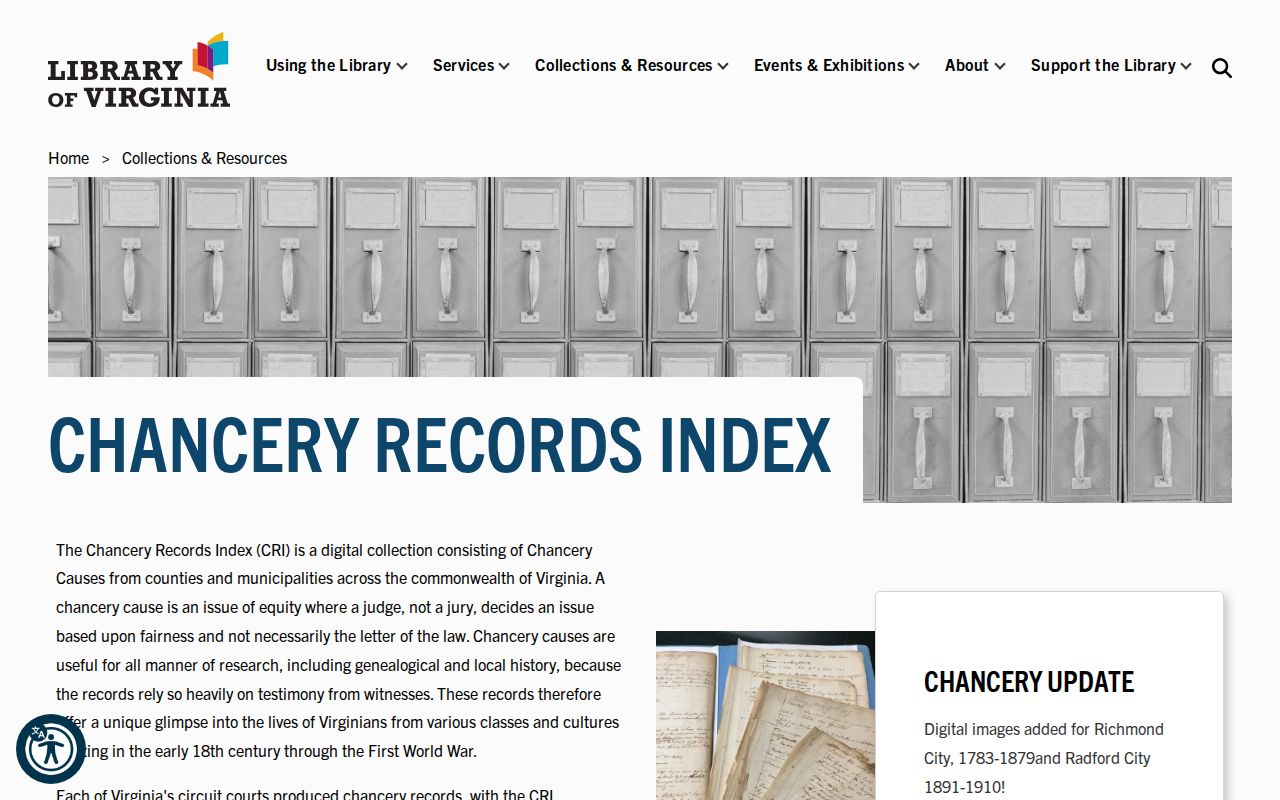
Identify the cause through the case index, then verify the related land instrument with the clerk.
Get a Covington City Deed Copy
Begin with the index reference. Then ask the Alleghany clerk how to obtain the actual instrument. SRA images require local authorization and may carry a fee. For in-person service, the clerk's counter sits at 266 W. Main Street in Covington. Call (540) 965-1730 for the current copy fee. Ask about mail-order steps before requesting a plain or certified copy. Provide the book and page or instrument number, party names, and recording date if known.
Recorded, not guaranteed. A Covington City deed record shows an instrument filed in the clerk's system; it is not a title opinion and does not rule out every unrecorded claim. Have a title professional review the chain before relying on it for a transaction.